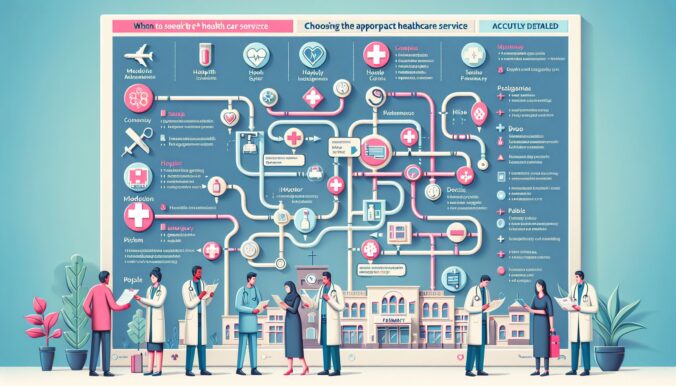
When it comes to our health, it’s crucial to know where and how to seek medical help quickly and efficiently. While some situations may require immediate attention, others may be better suited for primary care or even self-care. In this guide, we will explore the different options available for medical help, ensuring you make informed decisions regarding your well-being.
Understanding Your Healthcare Options
-
Emergency Care: The emergency room should be reserved for life-threatening situations such as severe injuries, chest pain, or difficulty breathing. Medical emergencies necessitate immediate attention, and emergency departments are well-equipped to handle critical conditions.
-
Urgent Care: Urgent care centers are designed for non-life-threatening issues that still require prompt attention. These facilities are ideal for minor injuries, infections, mild allergic reactions, or sudden illness. Urgent care offers extended hours, minimal wait times, and a range of services, making them a convenient option when time is of the essence.
-
Primary Care: A primary care provider, such as a family doctor or internist, plays a vital role in preventive care and managing chronic conditions. Scheduling regular check-ups can help identify potential health issues before they become severe. Primary care providers also offer routine vaccinations, screenings, and are the first point of contact for general health concerns.
-
Specialist Care: Some medical conditions require specialized knowledge or equipment. Specialists, such as cardiologists, dermatologists, or neurologists, have expertise in specific areas of medicine and focus on diagnosing and treating complex conditions. Your primary care provider can refer you to a specialist, ensuring you receive the appropriate care.
-
Telemedicine: In recent years, telemedicine has gained popularity and offers an innovative way to access healthcare. Through video conferencing or phone calls, medical professionals can provide consultations, diagnose common conditions, and prescribe medications. Telemedicine is particularly beneficial for minor illnesses, follow-up appointments, or when in-person visits are challenging.
Making the Right Decision
Choosing the most appropriate medical help option depends on various factors, including the severity of your symptoms, the urgency of your situation, and the availability of healthcare providers. By following these tips, you can make an informed decision:
- Assess the situation: Evaluate the severity of your symptoms. If it’s a life-threatening emergency, call emergency services immediately.
- Utilize available resources: Many insurance providers have nurse hotlines to assist with medical advice and direct you to the appropriate care.
- Check wait times: Online tools, apps, or a quick phone call can give you an idea of wait times for urgent care centers or emergency departments.
- Know your insurance coverage: Understand what services are covered by your insurance plan and if you need referrals or approval before seeking specialist care.
- Keep a list of emergency contact numbers: Save the number for emergency services, your primary care provider, and any relevant specialists in your phone or wallet.
In Conclusion
Taking care of your health means understanding where to seek medical help when it’s needed. Whether it’s an emergency, urgent care, primary care, or a specialist, each option serves a specific purpose. By making informed decisions based on the severity of the situation and available resources, you can ensure prompt and appropriate medical assistance for yourself and your loved ones. Remember, staying proactive and seeking care when necessary is crucial for maintaining a healthy and happy life.