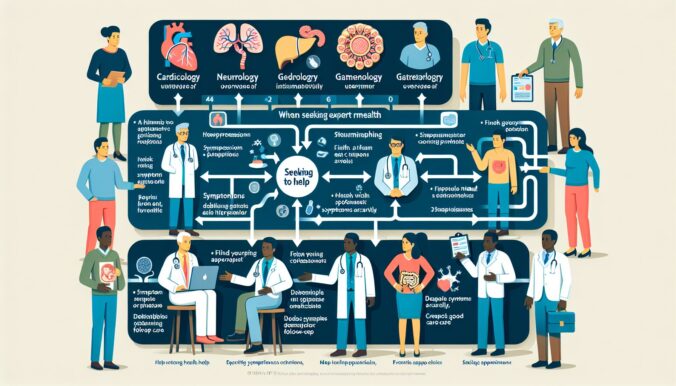
Seeking medical help can be a daunting task, especially if you are unsure where to start. This guide will provide you with the necessary information to navigate the healthcare system and receive the care you need.
Introduction
The first step in seeking medical help is to assess your situation. Are you experiencing a medical emergency that requires immediate attention, or do you have a health concern that can be addressed at a later time? It’s important to prioritize your health and seek help when needed.
Urgent Care vs. Emergency Room
If you are experiencing a medical emergency, such as chest pain, difficulty breathing, or severe bleeding, it is important to go to the nearest emergency room or call 911. Urgent care centers are a good option for non-life-threatening conditions that require prompt attention, such as fevers, sprains, or minor injuries.
Primary Care Provider
Having a primary care provider is essential for maintaining your overall health and well-being. Your primary care provider can help with preventive care, manage chronic conditions, and refer you to specialists if needed. If you do not have a primary care provider, consider scheduling an appointment with a family medicine physician, internist, or nurse practitioner.
Telemedicine
Telemedicine has become increasingly popular in recent years, allowing patients to receive medical care remotely through virtual visits. Many healthcare providers offer telemedicine services for non-urgent medical concerns, providing a convenient and cost-effective option for receiving care from the comfort of your own home.
Community Health Centers
Community health centers are another option for individuals who may not have access to traditional healthcare services. These centers provide comprehensive primary care services, regardless of a patient’s ability to pay. If you are uninsured or underinsured, a community health center may be a good option for receiving affordable medical care.
Conclusion
Seeking medical help can be a challenging process, but it is important to prioritize your health and well-being. By understanding the different options available for receiving medical care, you can make informed decisions about your health and receive the care you need. Remember to consult with a healthcare provider if you have any concerns about your health or need medical assistance.