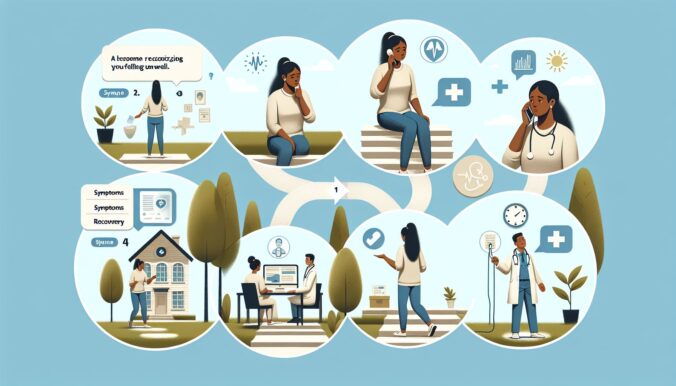
When it comes to our health, it is essential to know when and how to seek the appropriate medical help. Whether it’s a minor ache or a more severe condition, being proactive about our health can make all the difference. In this guide, we will discuss the steps to take when seeking medical help and the resources available to assist you.
Recognizing the Signs
The first step in seeking medical help is recognizing the signs that indicate you may need professional assistance. Symptoms such as persistent pain, difficulty breathing, high fever, or sudden changes in your health should not be ignored. If you are unsure about whether your symptoms warrant a visit to the doctor, it’s best to err on the side of caution and seek medical advice.
Primary Care Provider
If you are experiencing symptoms or have health concerns, your primary care provider should be your first point of contact. They are familiar with your medical history and can provide the necessary guidance or treatment. Your primary care provider can also refer you to a specialist if needed.
Urgent Care or Emergency Room
In cases of severe injury or sudden onset of symptoms, it may be necessary to visit an urgent care facility or the emergency room. Urgent care centers are equipped to handle minor injuries and illnesses, such as fractures, cuts, or infections. The emergency room is reserved for life-threatening emergencies, such as chest pain, severe burns, or difficulty breathing. It is crucial to seek immediate medical attention in these situations.
Telehealth Services
Telehealth services have become increasingly popular, especially during the COVID-19 pandemic. Many healthcare providers offer virtual appointments, allowing patients to consult with a doctor from the comfort of their own home. Telehealth services are convenient and can be a great option for routine check-ups or non-emergency medical issues.
Community Resources
If you are uninsured or underinsured, there are resources available to help you access affordable healthcare. Community health centers, free clinics, and government programs offer medical services at reduced or no cost. These resources are especially valuable for individuals who may not have access to traditional healthcare options.
Conclusion
Knowing when and how to seek medical help is crucial for maintaining your health and well-being. By recognizing the signs that indicate you may need medical attention and utilizing the resources available to you, you can ensure that you receive the appropriate care when needed. Remember, it is always better to be proactive about your health and seek medical help when in doubt.