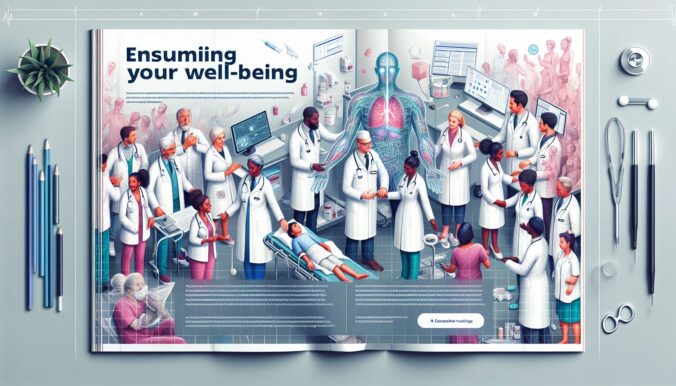
Every individual deserves access to quality medical care and assistance, regardless of their social or economic background. In times of illness or injury, knowing where to seek medical help is crucial. This comprehensive guide will provide you with valuable information to ensure you can receive the necessary care promptly and efficiently.
Introduction: Understanding the Importance of Medical Help
Medical help plays an essential role in maintaining one’s health and well-being. It involves a vast array of services, ranging from preventative care to emergency treatment. By familiarizing yourself with the available options, you can make informed decisions when seeking medical assistance.
The Different Types of Medical Help
-
Primary Care Providers: Establishing a relationship with a primary care physician is vital. They oversee your general health, providing routine check-ups, vaccinations, and managing chronic conditions such as diabetes or hypertension.
-
Specialists: Certain medical conditions may require specialized care from professionals such as cardiologists, dermatologists, or orthopedists. When necessary, your primary care provider can refer you to these specialists.
-
Urgent Care Centers: Open outside regular office hours, urgent care centers are an excellent option for non-life-threatening emergencies that cannot wait until your primary care provider is available. They offer extended hours and on-site diagnostic services, ensuring you receive prompt evaluation and treatment.
-
Emergency Rooms: Reserved for life-threatening emergencies, such as severe injuries, heart attacks, or strokes, emergency rooms provide round-the-clock care. However, it’s essential to understand that ER visits should be reserved for critical situations to prevent strain on healthcare resources.
-
Telemedicine: A rapidly growing field, telemedicine, allows individuals to seek medical advice via phone or video calls. This option is particularly useful for minor illnesses, follow-up consultations, or when in-person visits are challenging.
Assessing Your Medical Needs
Considering the severity and nature of your symptoms will help determine the most appropriate course of action:
-
Non-Emergency Situations: For non-life-threatening conditions such as minor injuries, colds, or allergies, primary care providers and urgent care centers are usually best suited.
-
Urgent but Not Critical: If your condition requires immediate attention but is not life-threatening, urgent care centers are an optimal choice. They can diagnose and treat many urgent conditions promptly.
-
Life-Threatening Emergencies: In cases of severe injuries, sudden chest pain, difficulty breathing, or loss of consciousness, call emergency services immediately. Reacting promptly in life-threatening situations is crucial.
Conclusion: Prioritizing Your Health and Well-being
Knowing where to turn for medical help is an invaluable asset for everyone. By understanding the different types of care available and assessing your needs efficiently, you can receive the appropriate assistance promptly. Prioritize your health and well-being by proactively seeking medical help when needed, ensuring you are at your best to conquer the challenges of life.
Remember, this guide provides general information and should not replace professional medical advice. In all medical situations, consult with a healthcare professional to determine the best course of action.