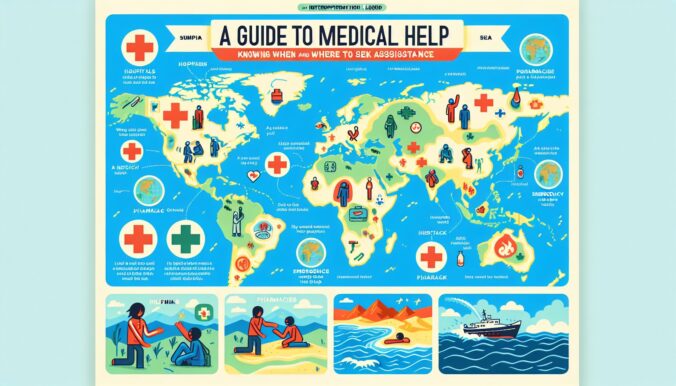
Medical emergencies can strike unexpectedly, leaving us in a vulnerable state and in need of immediate attention. It is crucial to have a clear understanding of what constitutes a medical emergency and where to seek help when the need arises. This guide aims to provide you with the essential information to make informed decisions when faced with a medical crisis.
1. Identifying a Medical Emergency
Recognizing a medical emergency is the first step towards seeking appropriate assistance. Some common signs of a medical emergency include:
- Severe chest pain or pressure
- Difficulty breathing or shortness of breath
- Loss of consciousness or confusion
- Profound bleeding that cannot be controlled
- Sudden numbness, weakness, or slurred speech
- Severe allergic reactions
- Broken bones or dislocated joints
- Uncontrolled seizures or convulsions
If you or someone around you is experiencing any of these symptoms, it is imperative to act swiftly and seek medical help immediately.
2. Emergency Hotlines and Local Services
When faced with a medical emergency, dialing the appropriate emergency hotline can save lives. These hotlines are available 24/7 and can connect you to qualified medical professionals who can guide you over the phone or send an ambulance to your location. Here are some essential emergency hotline numbers to keep in mind:
- 911: United States
- 999: United Kingdom
- 112: Europe
- 000: Australia
Furthermore, it is crucial to know where your nearest emergency medical center or hospital is located. Research their contact information and keep it accessible.
3. Primary Care and Urgent Care
While not all medical situations require emergency attention, it is essential to understand the different levels of medical care available. Primary care providers, such as family doctors or pediatricians, are generally the starting point for non-life-threatening illnesses, routine check-ups, and preventive care. They can also guide you in case of an urgent medical matter.
For situations that require immediate attention but are not life-threatening, urgent care centers can provide quicker care than emergency rooms. Issues like minor injuries, infections, or flu-like symptoms can be addressed in these facilities, often without the need for an appointment.
4. Virtual Consultations and Telemedicine
In an increasingly digital world, virtual consultations and telemedicine have gained prominence. Many healthcare providers offer online platforms or apps that allow you to connect with medical professionals from the comfort of your own home. Such services can provide advice for minor concerns, prescribe medications, or triage conditions that may require further in-person evaluation.
5. Trusting Your Instincts
Never underestimate the power of your own instincts when it comes to seeking medical help. If you genuinely feel that something is wrong or that a situation requires medical attention, it is always better to err on the side of caution and contact a healthcare professional. Prompt intervention can often prevent minor issues from becoming major problems.
In Conclusion
Knowing when and where to seek medical help is invaluable information that everyone should possess. By familiarizing yourself with emergency hotlines, understanding the levels of care available, and utilizing virtual healthcare services when appropriate, you can ensure the safety and well-being of yourself and those around you. Trust your instincts and never hesitate to reach out for medical assistance when necessary.