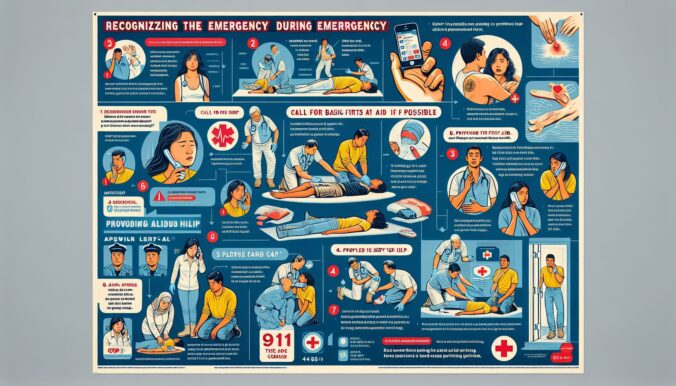
In times of medical emergencies, it is essential to be well-prepared and know how to seek appropriate medical help quickly. Whether it’s a sudden injury, severe illness, or the onset of alarming symptoms, knowing the step-by-step process of accessing medical assistance can be life-changing. This guide aims to provide you with a clear road map to ensure you receive the urgent care you need in a timely manner.
Seek Immediate Assistance
The first and most crucial step is to seek immediate assistance. Dialing emergency services, such as 911 in the United States or 112 in many European countries, will connect you to the appropriate authorities who can dispatch an ambulance or provide instructions on what to do next. Remember, don’t hesitate to call for help, especially if the situation appears life-threatening.
Stay Calm and Provide Information
While waiting for medical help to arrive, it is essential to remain calm and provide accurate information to the emergency operator. To ensure expedited assistance, be prepared to provide details of the situation, such as the nature of the emergency, your location, and any important medical history or existing conditions. Remaining calm will help the operator assess the situation and dispatch the required resources effectively.
Basic First Aid and Assistance
In certain situations, immediate action may be necessary before professional medical help arrives. Basic first aid knowledge can make a significant difference in saving lives or minimizing harm. Consider learning CPR (cardiopulmonary resuscitation) and basic first aid techniques. Knowing how to control bleeding, minimize injury, or deliver CPR to someone who has stopped breathing can be invaluable in critical situations.
Contact Local Clinics or Doctors
Outside of emergencies, there are times when you may require medical assistance urgently but the situation is not life-threatening. In such cases, it is recommended to contact your local clinic or doctor’s office. Most medical professionals allocate time for same-day appointments or prioritize urgent cases. By contacting your primary care provider, they can assess your situation and advise you on the most appropriate course of action.
Know When to Visit the Emergency Room
Accurate judgment is crucial to decide whether to go to the emergency room or wait to see a doctor during regular hours. Generally, the emergency room is best suited for serious or life-threatening situations that require immediate attention. Symptoms such as severe chest pain, sudden slurred speech, difficulty breathing, or severe injuries warrant a trip to the emergency room. However, for less severe conditions or minor injuries, waiting to see your primary care doctor may be more appropriate.
Conclusion
Knowing how to seek medical help during emergencies is paramount to ensure optimal care and potentially save lives. The steps mentioned in this guide will help you navigate through critical situations, from seeking immediate assistance to understanding when urgent care is necessary. By staying prepared, providing accurate information, and acting swiftly, you can have peace of mind knowing that you are equipped to handle medical emergencies effectively. Remember, always consult with local healthcare professionals and organizations to obtain region-specific emergency assistance guidelines.